Glow, Hue, and Aroma in Perfect Conversation

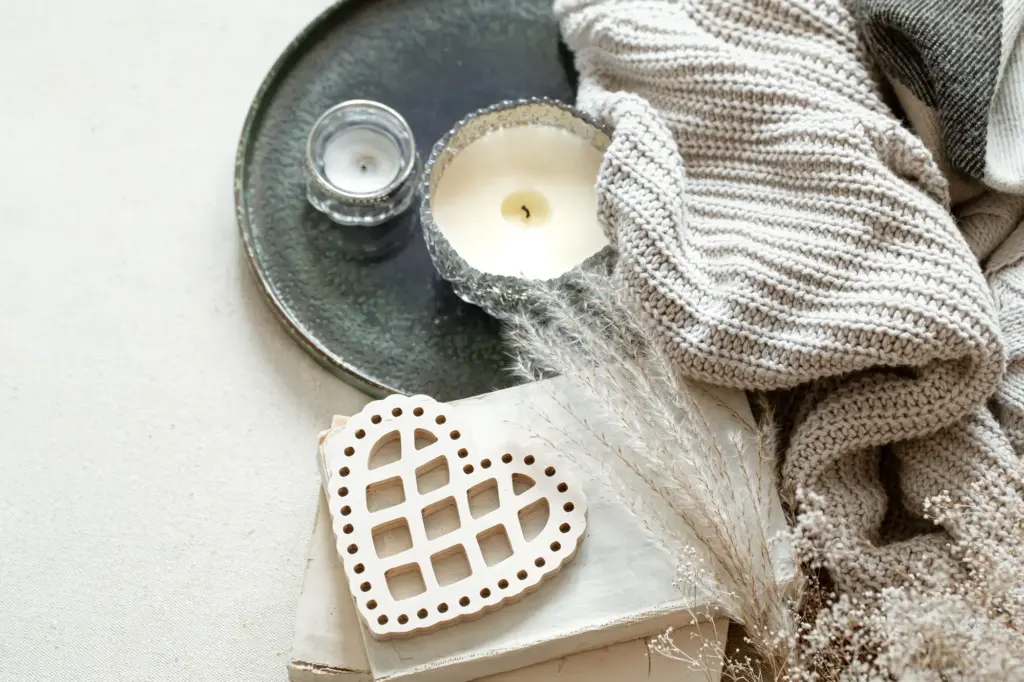
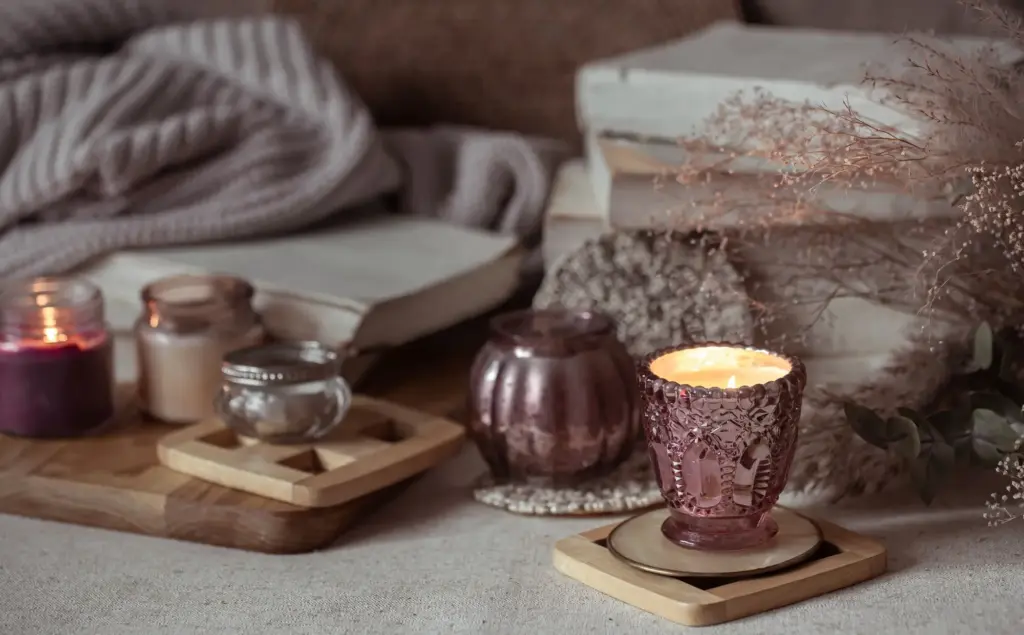
Step into a world where handmade candle sets become fluent partners with your rooms, coordinating handmade candle set color and scent pairings with interior palettes for harmony you can see, smell, and feel. Together we’ll translate paint, textiles, and wood tones into cohesive glow and fragrance, blending color theory, fragrance architecture, and tactile materials into memorable everyday rituals. Bring your questions, stories, and spaces—let’s craft ambiance that welcomes, calms, and inspires.

Color Theory that Speaks in Wax and Light
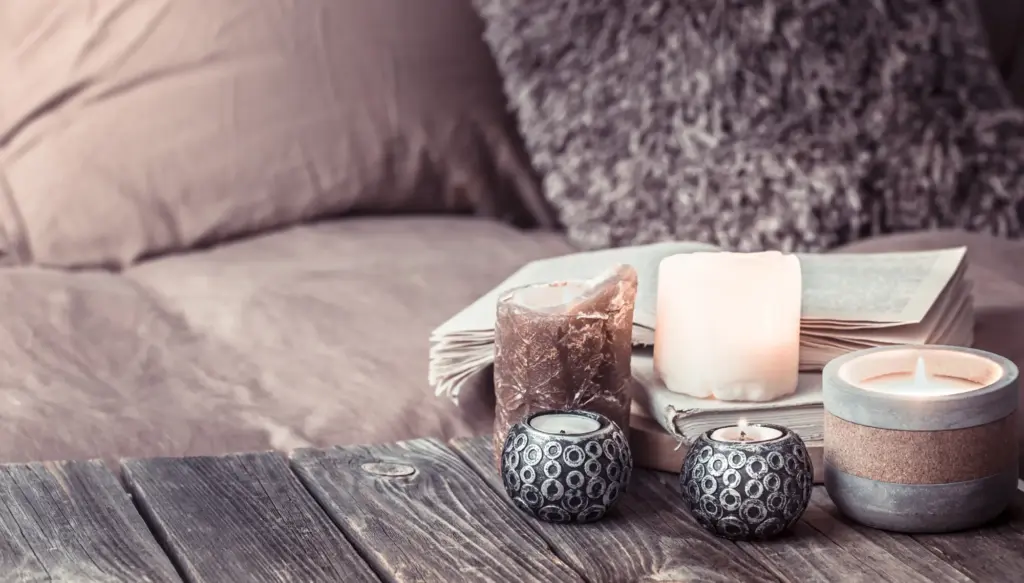
Color is not just something you notice; it is something you experience in relation to walls, art, and natural light. By understanding undertones, saturation, and the way candlelight warms pigment, you can set handmade candles that echo or gently oppose your interior palette, adding nuance without visual noise. Think of glow as a soft filter, enriching hues, rounding edges, and guiding the eye.

Scent Architecture for Rooms that Breathe

Just as color balances contrast and cohesion, fragrance balances intensity, diffusion, and purpose. Design scent pathways that respect how you live: uplift where people gather, soften where you exhale, clarify where you focus. Top, heart, and base notes function like architectural layers, guiding first impressions, lingering moods, and the comforting afterglow that remains once flames are out.

Entrance Impressions

Your entryway sets memory in motion. Bright citrus, airy herbs, or water notes create a quick, welcoming lift that will not overwhelm adjacent rooms. In small foyers, one candle is enough; use a light-colored vessel to echo reflective paint or tile, keeping both scent and hue crisp. Let freshness transition naturally toward deeper rooms.

Living Room Interludes

Gathering spaces benefit from layered hearts: amber, soft woods, tea, or cashmere florals that mingle without pushing. Blend two compatible candles across the room rather than one overpowering centerpiece. Choose hues that harmonize with upholstery and throws, so sight and scent reinforce each other. The goal is conversation enhanced, never competed with.

Bedroom Exhale

Retreats deserve grounding bases with breathable lift—lavender with cardamom, hinoki with pear skin, or milk accords with tonka. Pale wax keeps the visual temperature cool and restful, while wood lids muffle light between burns. Aim for a slow-blooming trail that quiets the mind, encouraging deep rest without sweet heaviness or sharp spikes of brightness.

Materiality and Finish: Vessels, Wicks, and Surfaces
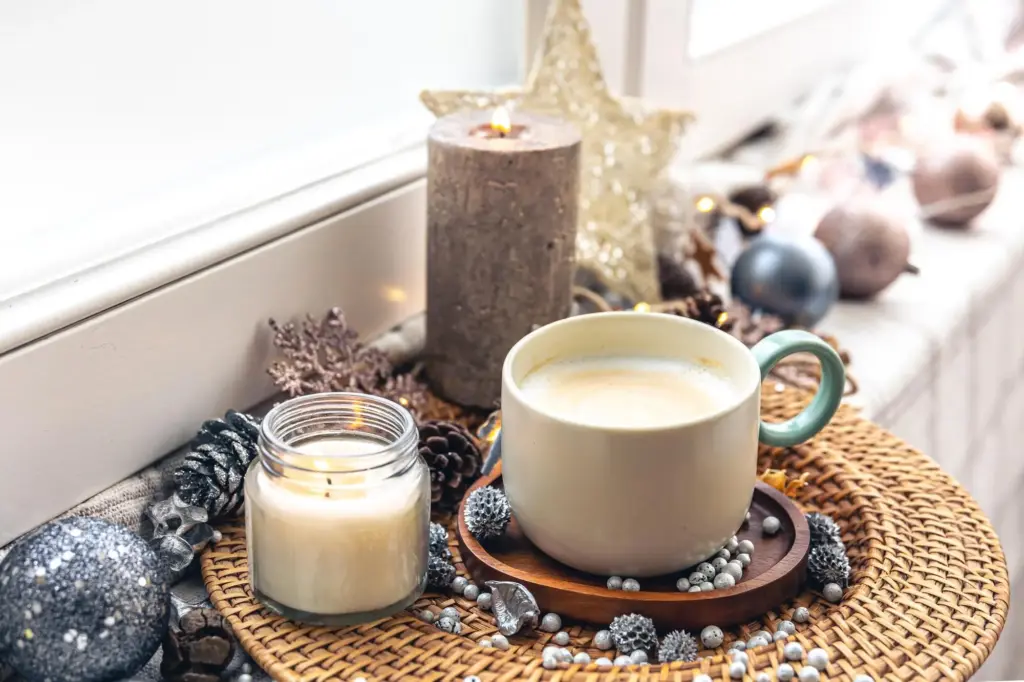
How a candle looks and behaves is shaped by its container, wick, and placement. Matte ceramics drink light for velvet ambiance; glossy glass throws brilliance onto nearby walls. Cotton wicks glow discreetly, while wood wicks add a gentle crackle that alters perceived warmth. Coordinate finishes with metals, textiles, and stone so every element agrees in tone and tactility.

Seasonal Rotations without Visual Whiplash

Winter Glow
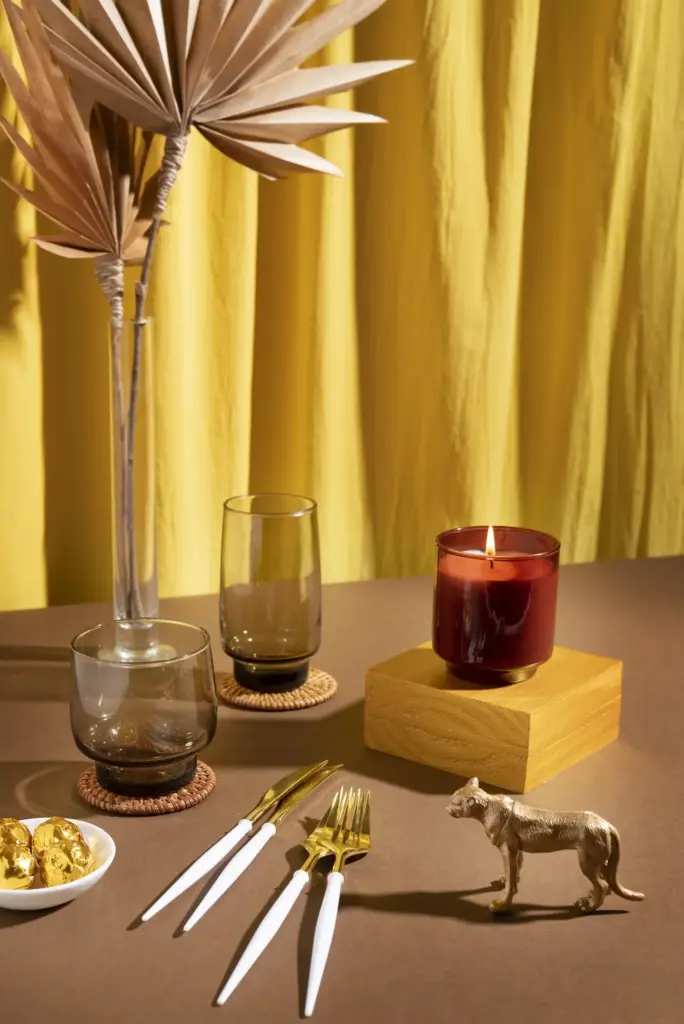
Lean into smoky woods, incense, and balsam layered with ambered vanilla, poured in deeper vessels that echo heavier textiles. Burgundy, forest, or charcoal waxes look intentional beside wool throws and candlelit dinners. Keep diffusion moderate, inviting closeness rather than density, so windows of morning light still read bright against warmly dim corners.

Spring Lift

As daylight lengthens, lighten both palette and perfume. Sheer florals, tender greens, and gentle musks bloom in pastel waxes that echo new linens and blossoming branches. Choose translucent containers to let sunshine mingle with flame. Maintain a familiar base—perhaps cedar—so the transition feels like fresh air through the same beloved home.

Summer Breeze to Autumn Ember

Bridge seasons with citrus-herbal blends that play well with open windows, then gradually fold in dried fig, honeyed tobacco, or clove as leaves turn. Shift wax from pale sand to toasted caramel, echoing sun-faded rattan becoming burnished wood. Keep your favorite vessel constant so change reads as evolution, not replacement.

Small-Space Strategies and Scent Zoning
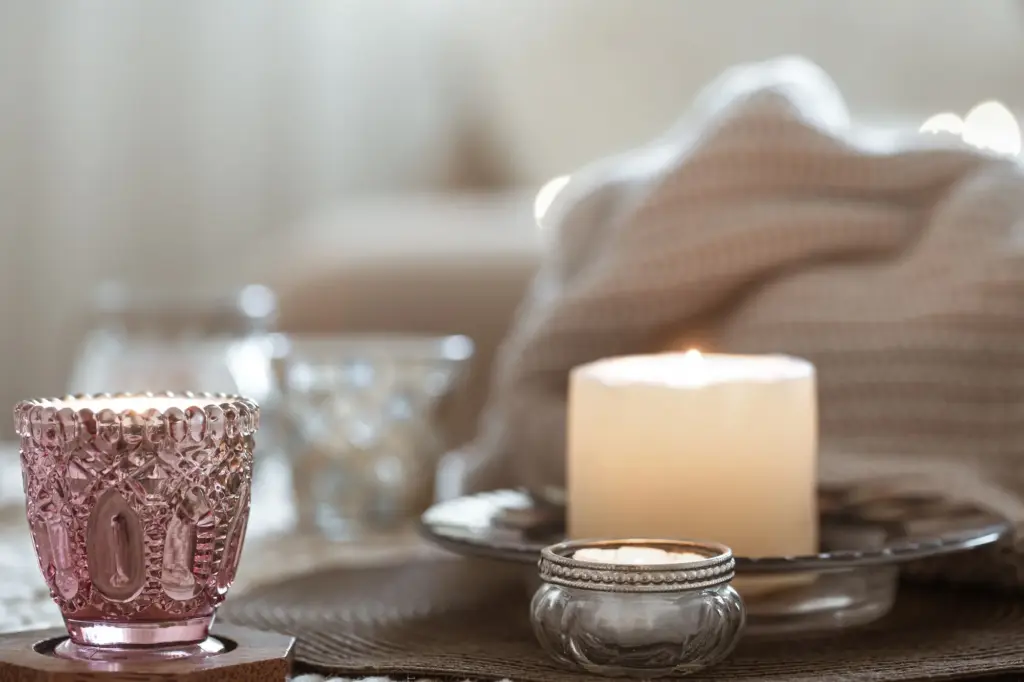
Compact homes and open-plan apartments benefit from discipline. Curate fewer, better candles that respect airflow and escape routes for fragrance. Use color to signal zones without walls, and let scent guide behavior: crisp for task areas, plush for rest. Reserve at least one fragrance-free pocket where eyes and nose can reset on demand.

Crafting Your Own Palette-Ready Candle Set
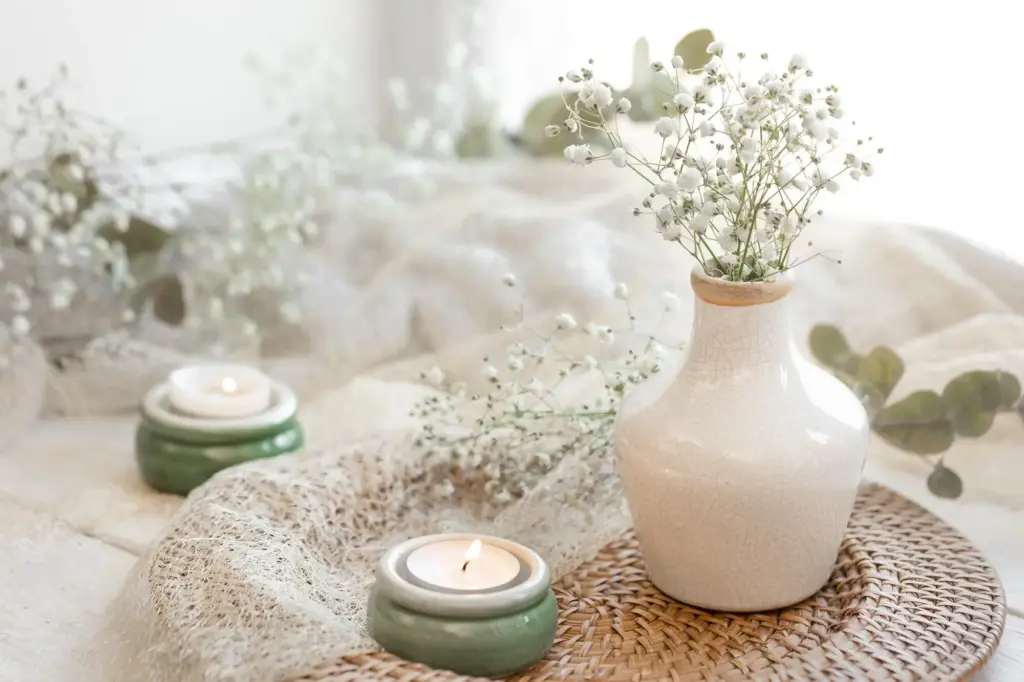
Hand-poured candles let you tune color and fragrance with precision. Work from swatches of your sofa fabric or paint chips, then build scent blends that echo how the room should feel. Keep a notebook of dye ratios, fragrance percentages, and curing times. When the palette is right in daylight and at dusk, you have nailed it.

Color Mixing with Undertones in Mind

Start with a base wax shade that mirrors your walls’ undertone, then tint warmer for cozy corners or cooler for sunlit spots. Test chips on white paper and against actual fabrics to avoid metamerism. Label every pour with ratios, and photograph under daylight and lamp light to confirm stability across real living conditions.

Fragrance Pyramid that Fits the Room

Build blends like music: a bright top for hello, a shaped heart for character, a soft base for staying power. For high-traffic zones, emphasize top and heart. For bedrooms, stretch the base with musks or woods. Keep oils below safe load percentages and record throw after seven days to ensure consistent performance.

Stories from Homes that Found Their Glow

A Moody Blue Loft Warmed by Amber Citrus

Navy walls felt heavy at sunset until a trio of sand-colored candles in smoked glass brought a honeyed filter. Blood orange over amber cut through the cool, while reflections danced on steel beams. The space stayed urban, yet finally smiled, proving contrast plus warmth can revitalize deeply saturated rooms without repainting a single surface.

A Minimal Beige Haven Given Texture by Moss

This neutral living room risked blandness. Olive-dyed tapers echoed a plant’s leaf tone, and a gentle moss-vetiver blend added forest quiet. Placed on a travertine tray, the candles anchored the coffee table without shouting. The palette remained calm, but depth arrived, as if the air acquired soft grain to match woven throws.

A Playful Kitchen Lifted by Basil and Grapefruit

White cabinetry and pale oak needed zest. Frosted vessels with pale chartreuse wax echoed bowl limes, while basil-grapefruit framed morning routines with sparkling clarity. Because the hue repeated in dish towels and art, the candles felt native, not decorative. Breakfast conversations brightened, and clean-up felt quicker under a fragrance that signaled fresh starts.